The World Green Infrastructure Network has long recognized that the climate crisis, biodiversity loss, and interconnected sustainability challenges we face today transcend borders and affect all nations, albeit with profound unequal impacts and responsibilities. The countries of the Global South, many of which bear the least historical responsibility for environmental degradation, often face the most severe consequences while possessing the fewest resources to respond. Yet these same regions hold invaluable knowledge systems, innovative approaches, and context-specific solutions that are essential for addressing our shared planetary challenges.
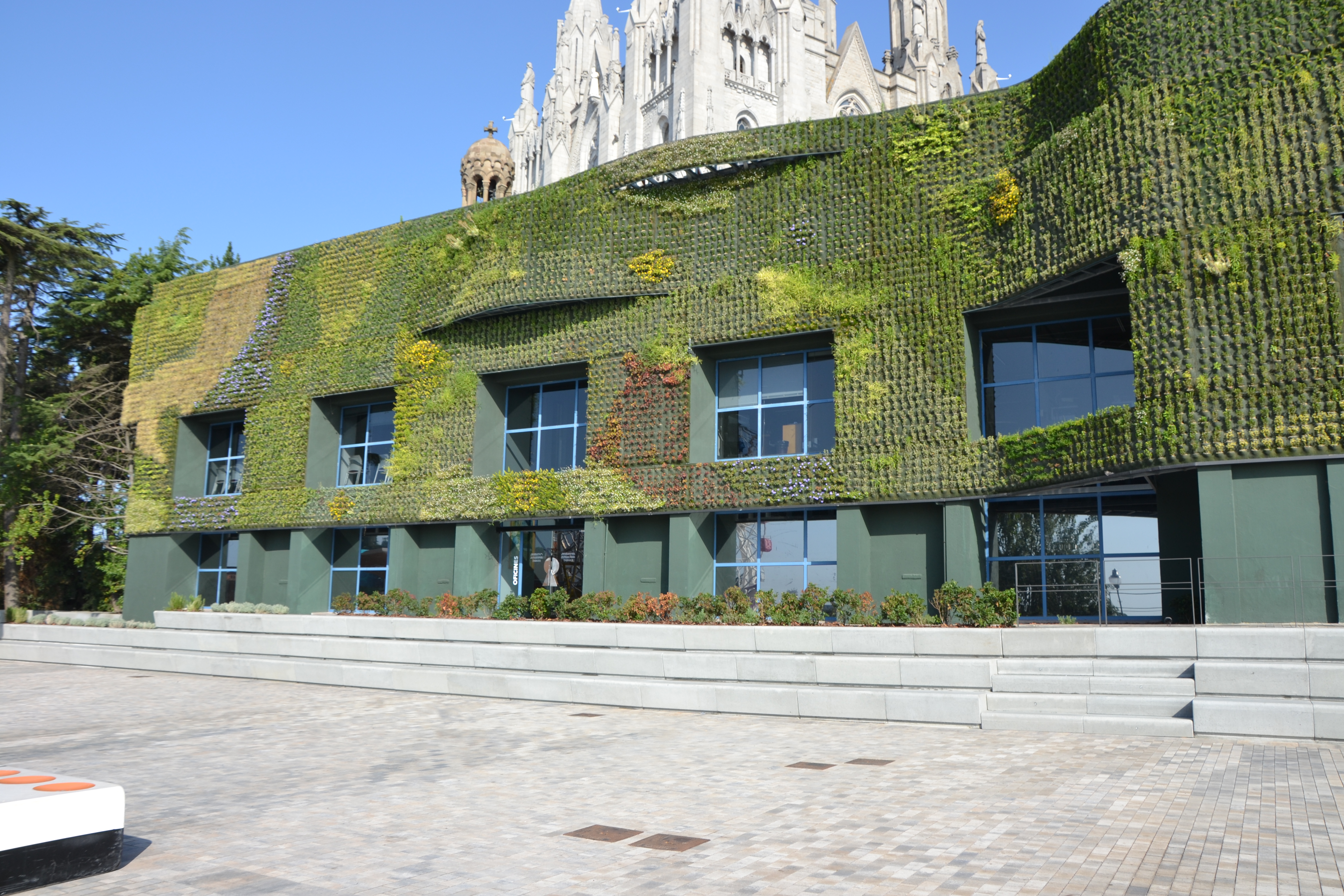
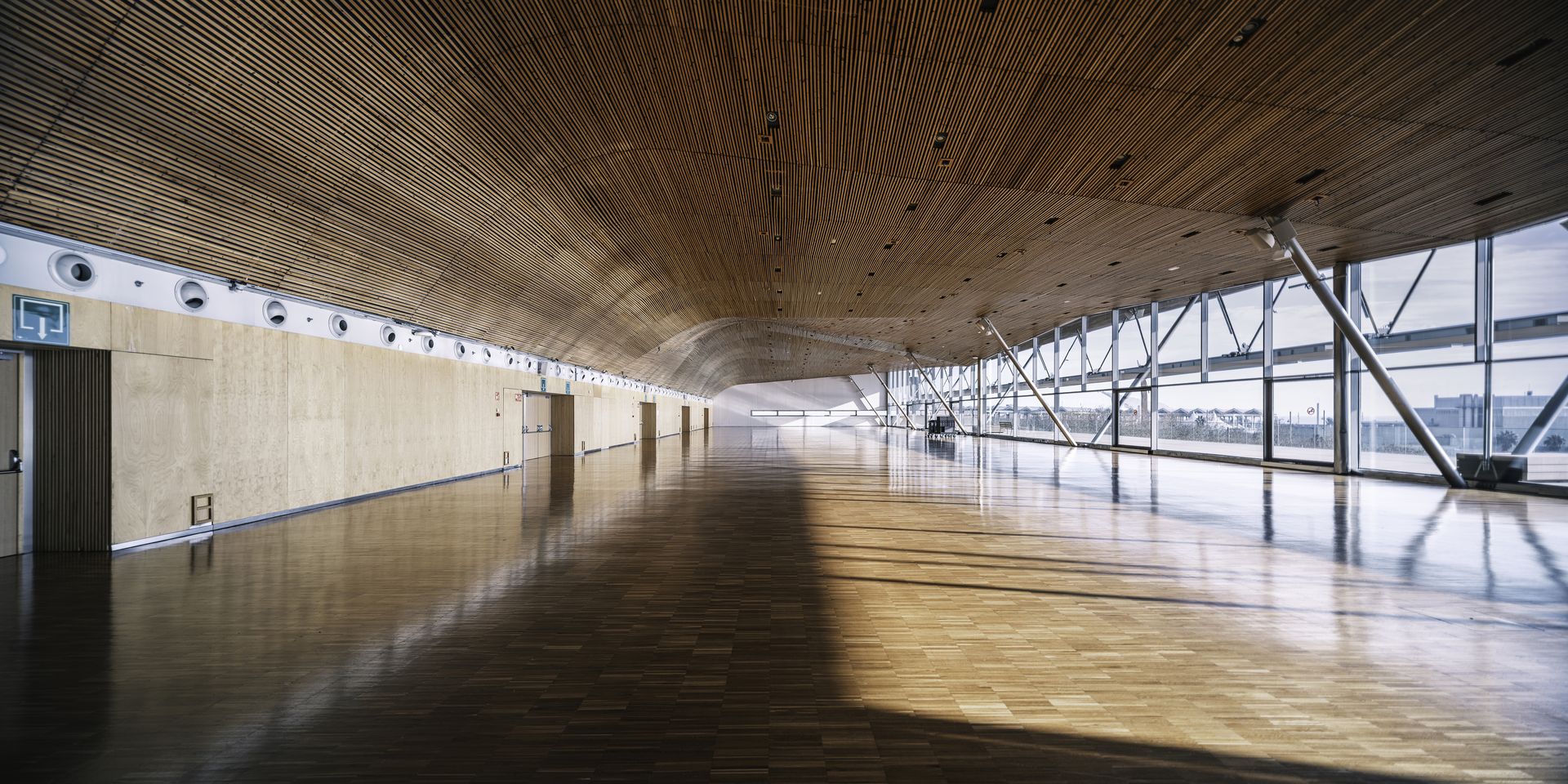
The next World Green Infrastructure Congress, WGIC26, in Barcelona next fall will dedicate one of its three thematic tracks to Green Infrastructure and Nature-based Solutions for the Global South. Our congress hosts, the University of Lleida, expect this track will mark an important step toward more equitable and collaborative global engagement within our community of practice.
From Development Cooperation to Global Engagement
This track emerges from a fundamental recognition: we must shift from viewing the Global South primarily as a recipient of Northern expertise to embracing genuine partnership characterized by mutual learning, co-creation of knowledge, and equitable benefit sharing. As Cameroonian philosopher and historian Achille Mbembe reminds us, "today, it is life itself which is at stake" — transforming all nations into interconnected 'developing countries' facing systemic socio-ecological challenges, though from vastly different positions of power and resources.
The green infrastructure community has much to gain from Southern perspectives on living with nature, traditional ecological knowledge, and locally adapted solutions that have evolved over generations. The keynote presentations at WGIC24 in Auckland by Julia Watson on the Lo—TEK (Traditional Ecological Knowledge) movement and Dr. Lyla June Johnston on indigenous practices demonstrated powerfully how ancestral design principles and indigenous land stewardship offer sophisticated, time-tested approaches to sustainability that challenge assumptions about what constitutes "advanced" green infrastructure. These perspectives continue to resonate within our community, challenging us to recognize that the Global South holds not deficits to be filled, but wisdom to be honored and integrated.
Similarly, academic and practitioner knowledge from the Global North can contribute to addressing shared challenges — but only when these exchanges occur within frameworks that acknowledge historical power imbalances and actively work to redress them.
Decolonizing Green Infrastructure Practice
Advancing equitable global partnerships requires critical self-reflection about how we frame problems, whose knowledge we value, and who benefits from our work. Too often, Western approaches to green infrastructure have been presented as universally applicable models, overlooking the "situatedness" of all knowledge and the importance of context-specific solutions. This track at WGIC26 will explore how our community can recognize and integrate diverse knowledge systems, including traditional and indigenous ecological knowledge alongside scientific approaches, while addressing power imbalances in research partnerships to ensure that Southern partners have equal voice in framing research questions, methodologies, and ownership of outcomes. Moving beyond extractive research practices toward genuine co-creation and mutual capacity building requires us to consider how green infrastructure projects can address — rather than perpetuate — social and environmental injustices. This involves acknowledging the complexity and sometimes discomfort of confronting our own positionality, privileges, and the unequal conditions that shape international collaboration, while remaining committed to the transformation necessary for truly equitable partnerships.
Recognition of the Specific Challenges of the Global South
Beyond the shared global commitment to sustainability, it is essential to acknowledge the concrete and systemic barriers that many regions in the Global South confront when advancing green infrastructure and Nature-based Solutions. These challenges often include limited financial resources, lack of long-term investment, and reduced access to technical tools and research opportunities. Many regions also deal with rapid urban growth, extreme climate impacts such as heat, drought, and flooding, and social vulnerabilities linked to informal housing and unequal access to basic services. In some cases, political instability and fragmented institutions make it difficult to maintain continuity in environmental projects. International funding programs and global sustainability standards can also be difficult to apply locally, sometimes reinforcing existing inequalities. Recognizing these conditions is essential for building fair and effective partnerships, and for ensuring that green infrastructure solutions are realistic, resilient, and aligned with the needs and priorities of Southern communities.
Toward Just and Inclusive Solutions
The Sustainable Development Goals call for mobilizing diverse academic and non-academic knowledge in multi-stakeholder networks. For the green infrastructure community, this means embracing multi-perspectivity and recognizing that effective solutions to our common challenges will emerge from genuine dialogue across different geographical, cultural, and epistemological contexts.
This WGIC26 track will showcase examples of equitable partnerships, explore barriers to authentic collaboration, and identify pathways toward green infrastructure and NbS approaches that contribute to global justice and solidarity. We seek to understand not only how green infrastructure can address environmental challenges in the Global South, but how Southern innovations and knowledge can transform and enrich our collective understanding of what constitutes effective, sustainable, and socially just green infrastructure everywhere.
Call to Action
WGIN members and stakeholders are encouraged to support and distribute the upcoming call for papers for WGIC26 through your networks. We particularly invite researchers and practitioners from Global South institutions to share their work, innovations, and perspectives, as well as Northern partners engaged in equitable collaborations to present case studies of genuine co-creation. We welcome critical reflections on power dynamics, benefit sharing, and decolonizing green infrastructure practice, and especially encourage indigenous and traditional knowledge holders to contribute their wisdom and experience. Through strengthened global partnerships built on mutual respect, reciprocity, and shared commitment to justice, we can advance green infrastructure and Nature-based Solutions that truly serve the health and well-being of all people and the planet.